Button: A Handwritten Script for Elegant Branding
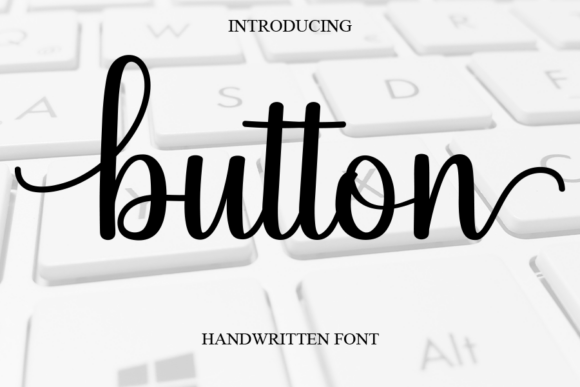
When you first encounter Button, there's an immediate sense of warmth and approachability. This isn't a cold, geometric typeface or a stiff, formal serif font. Instead, Button presents itself as a sweet, graceful, and beautifully balanced handwritten script. Its smooth, connected letters and charming loops create a personalized touch that feels both authentic and refined. For designers and business owners looking to inject a bit of bespoke charm into their work, this premium font offers a versatile solution that bridges the gap between casual and professional.
The Visual Personality of a Modern Script Font
Button's design philosophy centers on balance. The letterforms maintain a consistent rhythm, with each character flowing naturally into the next. The loops aren't overly dramatic or whimsical; they're measured and elegant, giving the script font a polished appearance. This careful construction means Button avoids the common pitfall of many handwritten font options—looking sloppy or difficult to read at smaller sizes.
The overall aesthetic leans toward feminine grace without excluding broader applications. The terminals have a gentle taper, and the strokes vary subtly in weight, mimicking the natural pressure of a pen on paper. This organic quality makes Button feel human and relatable, which is invaluable when building a brand identity that needs to connect emotionally with an audience. It’s a creative font that doesn’t try to be everything, but what it does, it does exceptionally well.
Where Button Shines: Real-World Applications
Understanding where a font performs best is crucial for any design assets library. Button excels in contexts where elegance and personal touch are paramount. Think wedding stationery—save-the-dates, invitations, and thank you cards. The font’s graceful curves complement the celebratory nature of such events perfectly. Similarly, feminine branding projects, from boutique logos to skincare packaging, benefit from Button’s soft yet confident character.
Beyond print, this display font translates beautifully into digital spaces. It’s an excellent choice for social media graphics, particularly for quotes, announcements, or promotional materials targeting a lifestyle or beauty audience. For bloggers and content creators, Button can elevate header images or featured graphics, adding a layer of sophistication that standard system fonts lack. Its utility extends to packaging design for artisanal goods, where a handcrafted feel is a key selling point.
Influencing Brand Perception and Readability
Typography is a silent ambassador for a brand. The choice of a typeface like Button immediately signals certain values: warmth, attention to detail, and a personalized approach. In marketing, this can influence how a customer perceives a product or service before they even read the copy. A logo design using Button suggests a business that values relationships and quality, making it suitable for small business owners, entrepreneurs, and crafters.
However, readability must always be considered. While Button is more legible than many script fonts, it’s not designed for long blocks of body text. Its strength lies in headlines, subheadings, and short bursts of impactful text. For editorial design, pairing Button with a clean sans serif font for body copy creates a beautiful contrast that guides the reader's eye. This font pairing strategy ensures visual hierarchy is maintained, making the design both attractive and functional.
Practical Guidance for Implementation
Before integrating Button into a project, conduct a few simple tests. Place the font in your intended context—a mockup of a business card, a website header, or a product label. Evaluate how it interacts with other design elements and colors. Does it maintain its charm at the required size? Does the weight of the strokes hold up against the background?
Consider the included styles. Many premium font packages offer alternates, ligatures, or swashes. With Button's PUA encoding, accessing these special characters is straightforward, allowing for customization that can make a design feel truly unique. Experiment with these extras to add flair to a logo or a standout word in a headline.
Finally, review the licensing. For commercial projects—whether it's a client's brand identity, a product you're selling, or a web design for a business—ensure the font license covers your intended use. Button is a commercial font, and understanding its terms is part of professional practice. By thoughtfully applying Button, you leverage its inherent elegance to create designs that are not only beautiful but also strategically effective.