Rattin: The Textured Brush Script for Bold Statements
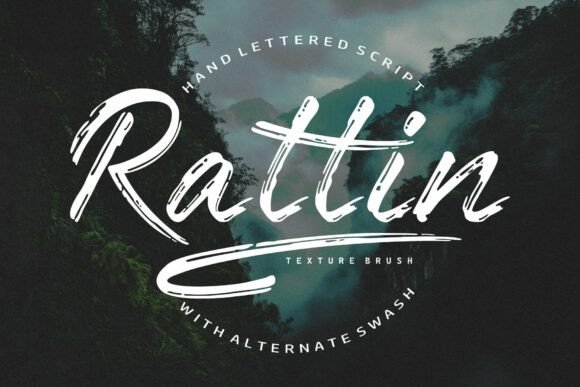
You know the feeling. You’re working on a project and the text just sits there, polite and unobtrusive. It gets the job done, but it doesn’t make a statement. It doesn’t have a pulse. That’s where a typeface like Rattin comes in. This isn’t a font for whispering; it’s for shouting with style. It’s a hand-lettered brush script built on raw, textured strokes that look like they were dragged across a surface with real paint or ink. The result is an aggressive, high-energy flow with a gritty, authentic feel that digital fonts often lack. Its inclusion of alternate swashes lets you dial up the drama, giving each piece a unique, handcrafted edge.
Rattin’s personality is unmistakable. It’s rough, masculine, and unapologetically bold. Think of the visual equivalent of a garage band’s first demo tape or the logo on a vintage motorcycle jacket. The textured edges and dynamic letterforms create an immediate sense of urgency and authenticity. This makes it a powerful display font for projects that need to grab attention and hold it with raw, dynamic intensity. It’s the kind of creative font that injects instant energy into a design, moving it from competent to compelling.
Where Rattin Finds Its Voice
Understanding a font’s strengths is key to using it effectively. Rattin thrives in environments that celebrate energy, rebellion, and handcrafted quality. It’s a natural fit for the music industry—think rock and roll posters, band merch, and album art where the typography needs to match the sound’s intensity. For extreme sports branding, from skate companies to outdoor adventure gear, it conveys action and an untamed spirit. It’s equally at home in casual apparel design, giving t-shirts and hats a distinct, streetwise character.
Beyond those obvious fits, Rattin’s applications are surprisingly versatile. In packaging design, it can make a product stand out on a crowded shelf, especially for craft goods, hot sauces, or artisanal spirits where a hand-hewn aesthetic is part of the brand story. For editorial design, it can create powerful, attention-grabbing headlines in magazines or blog posts about urban culture, automotive restoration, or DIY projects. Even in web design, used sparingly for hero sections or key call-to-action headers, it can make a brand identity feel more immediate and human.
Pairing and Practicality: Making Rattin Work
A powerful font like Rattin demands thoughtful execution. Its strength is also its limitation; its textured, busy surface means it’s built for headlines and logos, not body copy. Trying to set a paragraph in Rattin would be a readability nightmare. The real skill lies in creating contrast and hierarchy. Pair it with a clean, neutral sans serif font or a classic serif font for supporting text. This allows Rattin to own the spotlight while the secondary typeface provides clear, comfortable reading. This kind of intentional font pairing is what separates professional-looking work from amateur hour.
Before committing, always test the font in your specific context. Does the texture hold up at small sizes on a mobile screen, or does it turn muddy? Does the bold weight feel too heavy for your color palette? Pay attention to the alternate swashes—these are not just decorative extras. Used strategically on a key initial letter or a final flourish, they can guide the eye and add a custom, artistic touch. Also, consider the commercial licensing. As a premium font, Rattin comes with specific terms for different uses, from a single designer’s project to a full commercial enterprise. Ensuring you have the right license is a fundamental part of professional practice.
Ultimately, choosing a font is a strategic decision. Rattin isn’t for every project. It’s for the ones that need to make a powerful, unapologetic statement. It’s a tool for conveying authenticity, energy, and a hands-on, gritty aesthetic. When you need your message to be seen and felt, not just read, this textured brush script delivers. It turns simple words into a visual experience with unmistakable character.